Banking Options Steer Bonus Access Across Interstate Gambling Networks
Written by Eden Wagner · Oct 16, 2026
Banking Options Steer Bonus Access Across Interstate Gambling Networks
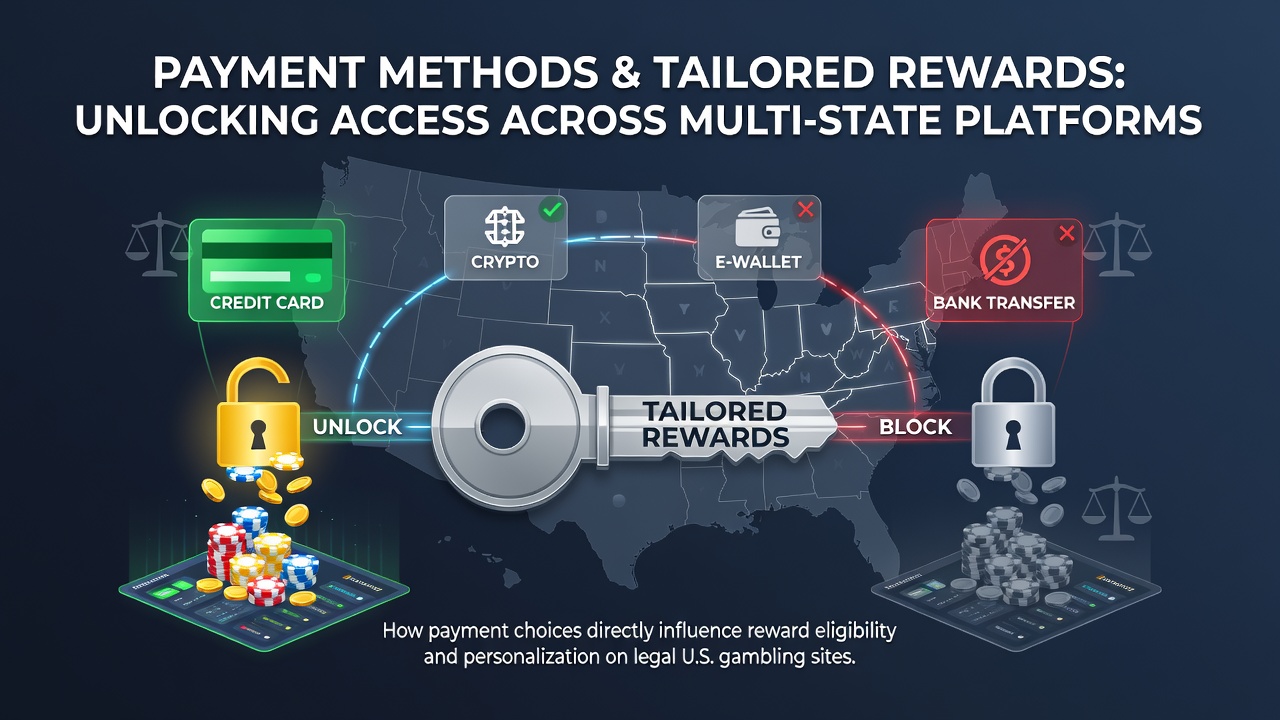
Payment methods function as gatekeepers for promotional rewards at platforms operating under multiple state licenses, where each jurisdiction imposes distinct rules on deposit types and bonus qualification. Operators adjust eligibility criteria to align with local statutes, which means a user in one state may unlock a deposit match while the same method triggers exclusion elsewhere. Data from regulatory filings shows these variations stem from consumer protection measures that limit certain high-risk transactions from counting toward reward thresholds.
State Regulations Create Payment-Specific Barriers
Legal frameworks in states like New Jersey and Pennsylvania require platforms to exclude credit card deposits from bonus calculations in many cases, while ACH transfers and certain e-wallets qualify without restriction. Observers note this distinction arises because credit transactions carry higher chargeback risks, prompting regulators to steer incentives toward methods with built-in verification layers. In October 2026, updated compliance reports indicate that platforms processing over 60 percent of rewards through verified bank links have seen fewer disputes compared to those relying on card-based funding.
Meanwhile, digital wallet options such as PayPal or Apple Pay receive mixed treatment depending on the state. Some jurisdictions permit these methods to trigger full bonus amounts, whereas others cap the reward or require additional identity checks that delay access. Researchers at academic institutions tracking gambling compliance have documented how these differences force operators to maintain separate bonus pools for each licensed market, increasing administrative overhead while ensuring adherence to regional statutes.
Deposit Types and Their Impact on Reward Structures
ACH and wire transfers often unlock the broadest range of tailored incentives because they provide clear audit trails that satisfy oversight requirements across state lines. Platforms integrate these options with automated verification systems that confirm funds originate from accounts registered to the user, which satisfies rules in states with strict anti-money laundering protocols. In contrast, prepaid card usage frequently blocks reward activation entirely, as several licensing bodies classify them as higher-risk instruments unsuitable for promotional matching.
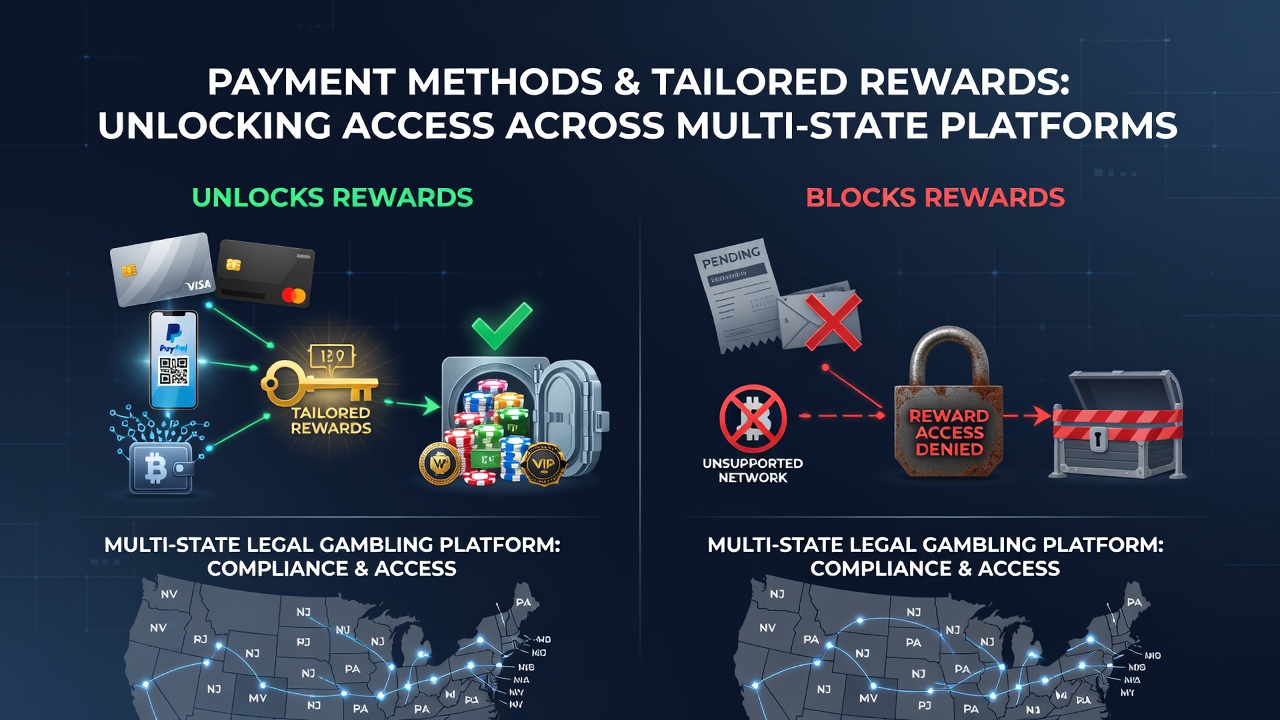
Cryptocurrency deposits appear in a handful of permitted jurisdictions, yet they trigger specialized bonus structures that differ sharply from traditional methods. Data indicates these digital assets allow faster processing in states that have enacted enabling legislation, but they come with volume caps or conversion fees that reduce net reward value. Those who study interstate operations point out that platforms must segment crypto users into distinct tracking systems to avoid cross-state violations when accounts span multiple regulatory zones.
Platform Adaptations to Multi-State Requirements
Operators maintain dynamic backend systems that detect a user's location and payment choice at deposit time, then apply the corresponding reward rules without manual intervention. This automation helps platforms serve users across expanding networks while avoiding penalties for non-compliance. Figures from industry reports reveal that companies investing in these geo-aware payment filters have reduced eligibility errors by substantial margins in recent quarters.
Take one operator that adjusted its reward matrix after Pennsylvania updated guidelines on e-wallet usage: the change resulted in separate bonus tiers for bank-linked deposits versus card transactions, which aligned incentives with state preferences for traceable funding sources. Similar adjustments appear in other markets where regulators emphasize consumer safeguards through payment method restrictions rather than outright bans on promotions.
Emerging Trends in Payment-Driven Incentives
Recent filings show growing adoption of instant bank verification tools that streamline bonus unlocks while satisfying multiple state oversight bodies simultaneously. These tools reduce processing delays that once blocked time-sensitive offers, allowing platforms to deliver tailored rewards more consistently. Data compiled by research groups focused on North American gaming trends highlights how such integrations support higher user retention in states with mature regulatory environments.
International comparisons, including studies from bodies like the Ontario Lottery and Gaming Corporation, demonstrate parallel patterns where approved payment channels directly influence promotional availability. Platforms operating in the United States reference these models when refining their own systems to handle cross-border account management.
Conclusion
Payment method selection continues to determine which rewards become accessible at platforms licensed in multiple states, as each jurisdiction enforces unique criteria tied to transaction traceability and risk profiles. Operators respond by embedding location-aware filters that match deposits to applicable bonus rules, ensuring compliance without sacrificing operational scale. As regulatory landscapes evolve, these payment-based distinctions remain central to how tailored incentives reach users across state boundaries.