Funding Selections Unlocking Distinct Promotional Offers on Licensed Betting Platforms Across States
Written by Kai Simon · Nov 13, 2026

Funding Selections Unlocking Distinct Promotional Offers on Licensed Betting Platforms Across States
Payment method selections play a central role in determining which promotional offers become accessible to users on licensed betting platforms that operate across multiple states, and data from industry reports shows these choices often align with specific regulatory requirements in each jurisdiction. Observers note that operators adjust bonus structures based on the funding options selected because state laws impose distinct conditions on how incentives can be promoted and redeemed. Research indicates that credit card deposits frequently trigger standard welcome bonuses while e-wallet transactions may unlock faster processing rewards or additional free bet credits in certain markets.
Regulatory Frameworks Guiding Deposit-Based Incentives
State gaming commissions establish rules that tie available incentives directly to approved deposit channels, and figures from regulatory filings reveal that platforms must verify compliance before releasing any promotional funds. Those who have examined licensing documents find that ACH bank transfers sometimes qualify users for higher match percentages in states with strict consumer protection guidelines, whereas cryptocurrency options remain unavailable in many regions due to ongoing policy reviews. The American Gaming Association has published data showing that deposit method restrictions help operators maintain consistent standards across state lines while still offering varied rewards where permitted.
Experts have observed that these frameworks create layered eligibility criteria, so a user choosing one funding source in New Jersey might access a different set of incentives than the same user selecting another method in Pennsylvania. Reports from state oversight bodies confirm that operators track deposit types to ensure bonuses do not violate advertising or wagering requirements that differ by location.
Common Deposit Options and How They Affect Rewards
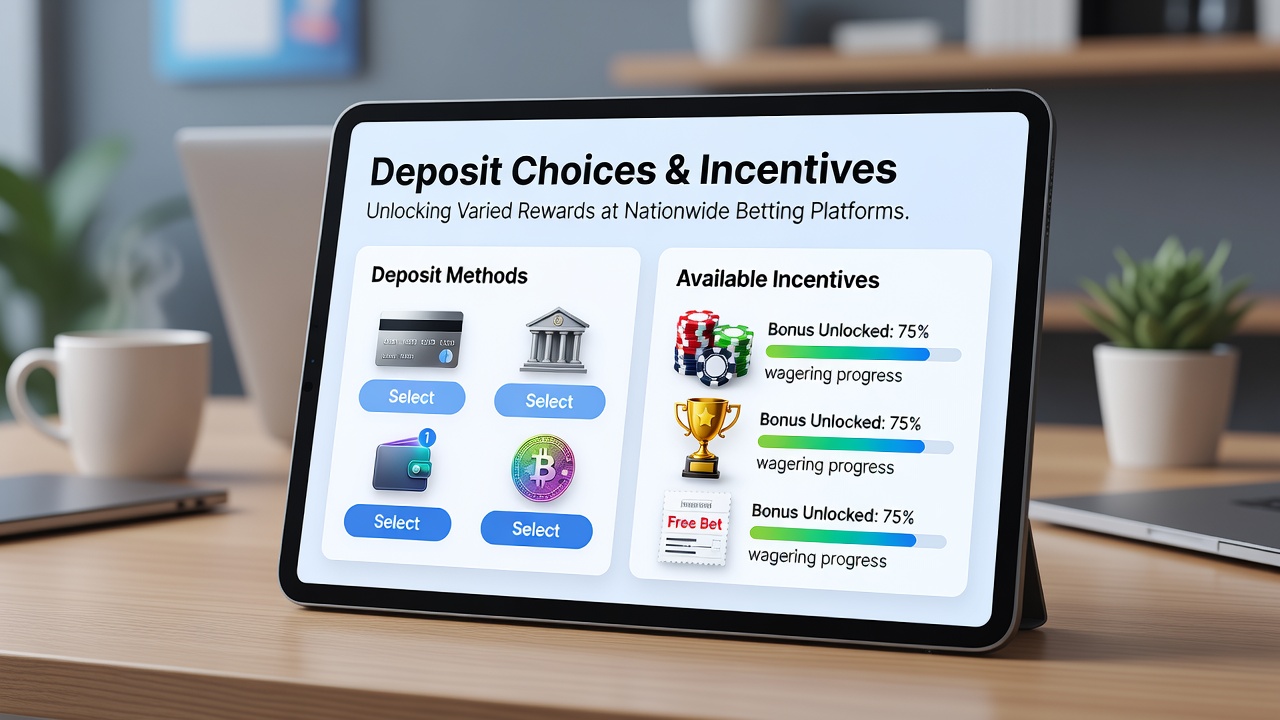
Credit and debit cards remain among the most widely accepted deposit methods, yet studies from payment processing firms indicate they often pair with baseline promotional packages rather than premium tiers. E-wallets such as PayPal or Skrill frequently connect to expedited bonus releases and reduced wagering requirements in states that have updated their digital payment rules, and this pattern appears consistently in operator disclosures. Bank wire transfers, by contrast, tend to support larger deposit thresholds that unlock tiered loyalty rewards in markets where volume-based incentives are allowed.
Prepaid cards and voucher systems provide another avenue, and data collected by research institutions shows these options sometimes activate niche promotions aimed at users who prefer privacy-focused transactions. Observers note that platforms customize these offers because regulatory guidelines in several states require clear separation between deposit verification and promotional eligibility checks.
Regional Differences Emerging in Late 2026
By November 2026, several states had refined their deposit-related incentive rules following mid-year legislative updates, and industry analyses indicate these changes created new combinations of rewards tied to specific funding sources. In markets where mobile app usage has grown, operators now link certain deposit methods to event-specific bonuses that align with seasonal sports calendars. Data from multi-state compliance reviews shows that users who select instant transfer options often receive eligibility for time-limited promotions unavailable to those using slower verification channels.
Those who monitor licensing trends report that states with newer regulatory frameworks tend to favor deposit methods that include built-in identity checks, which in turn expands the range of incentives platforms can legally extend. This approach allows operators to maintain uniform backend systems while still tailoring front-end offers to meet local statutes.
Practical Considerations for Users Across Jurisdictions
Users navigating multiple state platforms encounter varying deposit thresholds that determine bonus activation, and reports compiled by academic research centers highlight how these thresholds differ based on local risk assessments. One documented case involved a platform adjusting its credit card bonus structure after a neighboring state implemented new consumer protection measures, resulting in aligned yet distinct offers. Payment oversight rules continue to govern which incentives remain available, and operators publish updated terms to reflect these regional shifts.
Industry groups note that transparent communication about deposit method impacts helps users understand eligibility without confusion, and this practice supports broader compliance efforts across licensed markets. Data from transaction monitoring systems confirms that platforms track these patterns to refine their offerings while staying within regulatory boundaries.
Conclusion
Deposit selections directly influence the scope and type of incentives accessible on nationwide betting platforms because state regulations link funding methods to promotional compliance standards. Research and regulatory filings demonstrate that operators adapt reward structures accordingly, creating a system where payment choice functions as a key determinant of available benefits. As frameworks evolve, the connection between deposit options and incentive eligibility remains a central factor in how licensed platforms operate across jurisdictions.