Mapping Regulated Wagering Venues Across International Borders and Digital Networks
Written by Otto Simmons · Sep 18, 2026
Mapping Regulated Wagering Venues Across International Borders and Digital Networks
Betting locations span physical casinos, dedicated sportsbooks, and licensed online platforms that operate under distinct regulatory frameworks in multiple countries, with operators adapting offerings based on local statutes that govern everything from game types to payout structures. Data from industry reports shows steady expansion in these venues during 2025 and into 2026, driven by tourism recovery and technological integration that allows real-time compliance checks.
Physical Venues in Established Markets
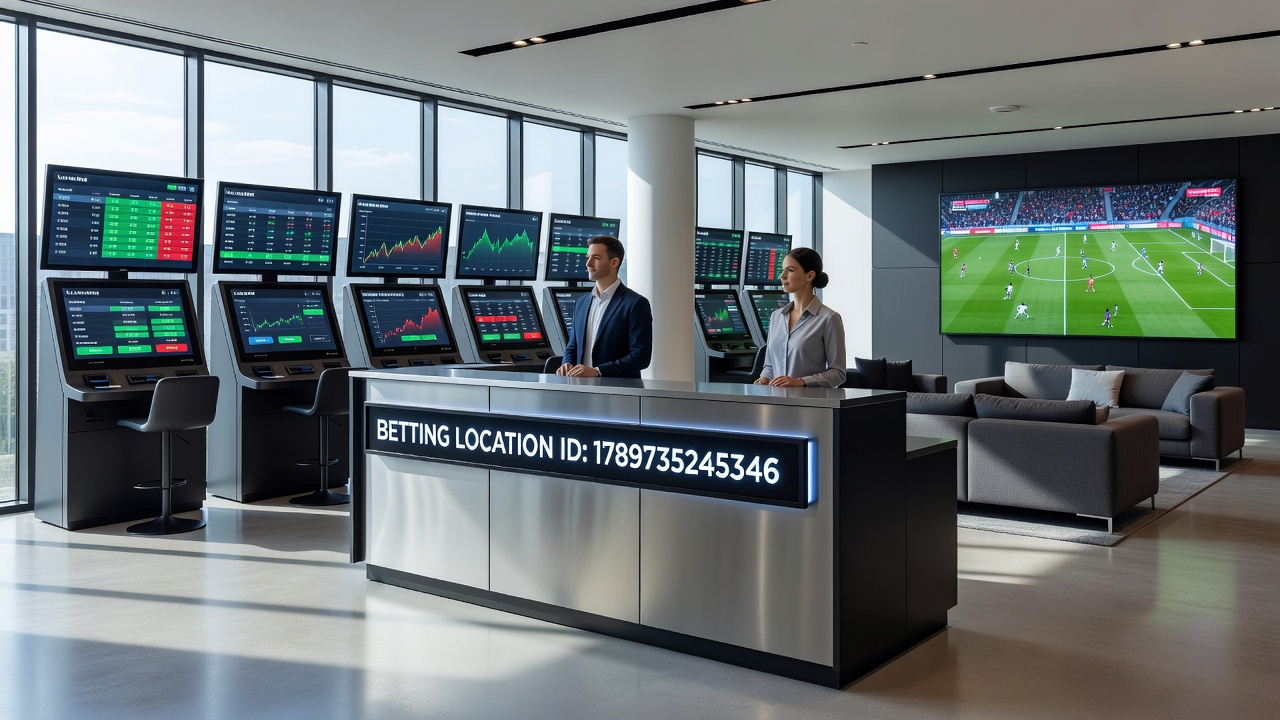
Macau continues to lead global casino revenue figures with integrated resorts that combine table games, slot machines, and sports betting terminals, while Las Vegas properties emphasize large-scale sportsbooks equipped with multiple screens and betting windows. Observers note that these locations enforce age verification and responsible gaming measures through on-site staff and digital systems that track player activity across sessions. In Europe, locations such as those in Malta and Gibraltar host land-based facilities alongside server operations for international platforms, creating hybrid models where visitors access both traditional games and app-based extensions.
Regulatory Influences on Venue Design
Government agencies in Canada, including provincial bodies overseeing iGaming expansions, require specific layouts that separate betting areas from other entertainment zones to meet compliance standards. Researchers tracking these developments found that such separations help limit exposure for certain demographics while allowing operators to customize promotions tied to regional banking rules. Similar patterns appear in Australian states where venue operators adjust machine placements and bonus structures according to state-by-state legislation.
September 2026 marks another cycle of license renewals in several jurisdictions, prompting updates to physical infrastructure that incorporate advanced geo-location tools. These tools ensure that mobile devices within a venue connect only to approved networks, mirroring the enforcement mechanisms used by online operators.
Digital Platforms and Cross-Border Access
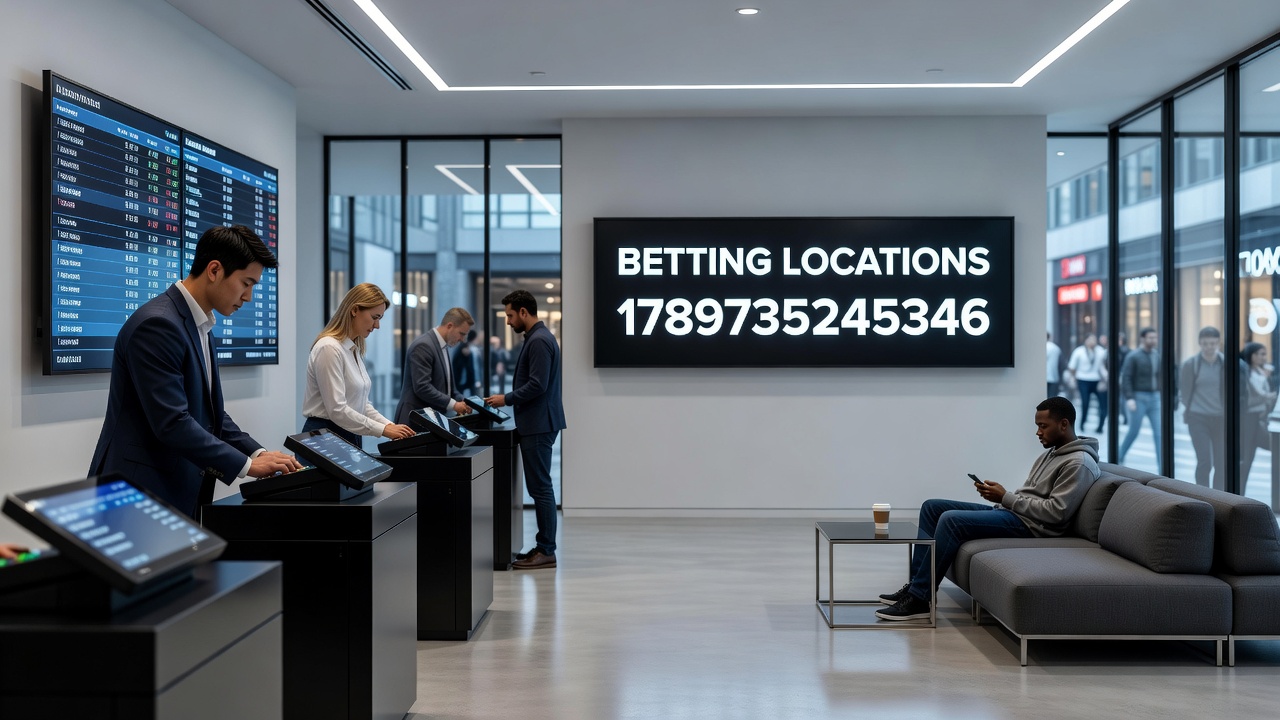
Online betting locations function through licensed domains that restrict access via IP detection and account verification processes, allowing users in permitted areas to place wagers on sports events or casino-style games. Figures from regulatory filings reveal that these platforms processed increasing volumes of transactions in early 2026, with operators refining algorithms to align incentives with varying state and national rules. Those who study market trends point to the role of payment processors that must comply with oversight from bodies like the Ontario Alcohol and Gaming Commission when serving Canadian users.
What's notable here involves how operators segment user experiences: a player in one province might receive different bonus options than someone in another because of statutes that dictate allowable promotional mechanics. Industry associations such as the European Gaming and Betting Association compile data showing consistent growth in these segmented markets, with emphasis on transparency reporting that details handle and revenue by region.
Emerging Trends in Venue Integration
Hybrid models now connect physical sites to digital networks, letting patrons at a casino floor transition seamlessly to app-based betting on the same premises through authenticated sessions. Reports indicate that this integration supports higher retention rates because users encounter consistent interfaces regardless of whether they are on-site or remote. Academic studies from research institutions examining these systems highlight the technical challenges of maintaining real-time boundary enforcement while delivering personalized features.
Payment method availability further shapes access at multi-jurisdictional platforms, since certain cards or e-wallets trigger eligibility checks tied to local banking regulations. Data compiled across multiple operators demonstrates that these checks reduce friction for compliant users while blocking transactions that fall outside approved channels.
Conclusion
Betting locations evolve through ongoing regulatory adjustments that balance commercial interests with consumer protections across both brick-and-mortar and virtual environments. Information from government sources and trade groups continues to document expansion patterns that reflect technological advances and shifting legal landscapes in diverse regions. Those monitoring the sector observe that future developments will likely center on refined verification methods and expanded reporting requirements that keep pace with global participation levels.