Regulatory Oversight of Financial Transactions Shapes Bonus Structures in Licensed Betting Markets
Written by Kai Simon · Oct 2, 2026

Regulatory Oversight of Financial Transactions Shapes Bonus Structures in Licensed Betting Markets
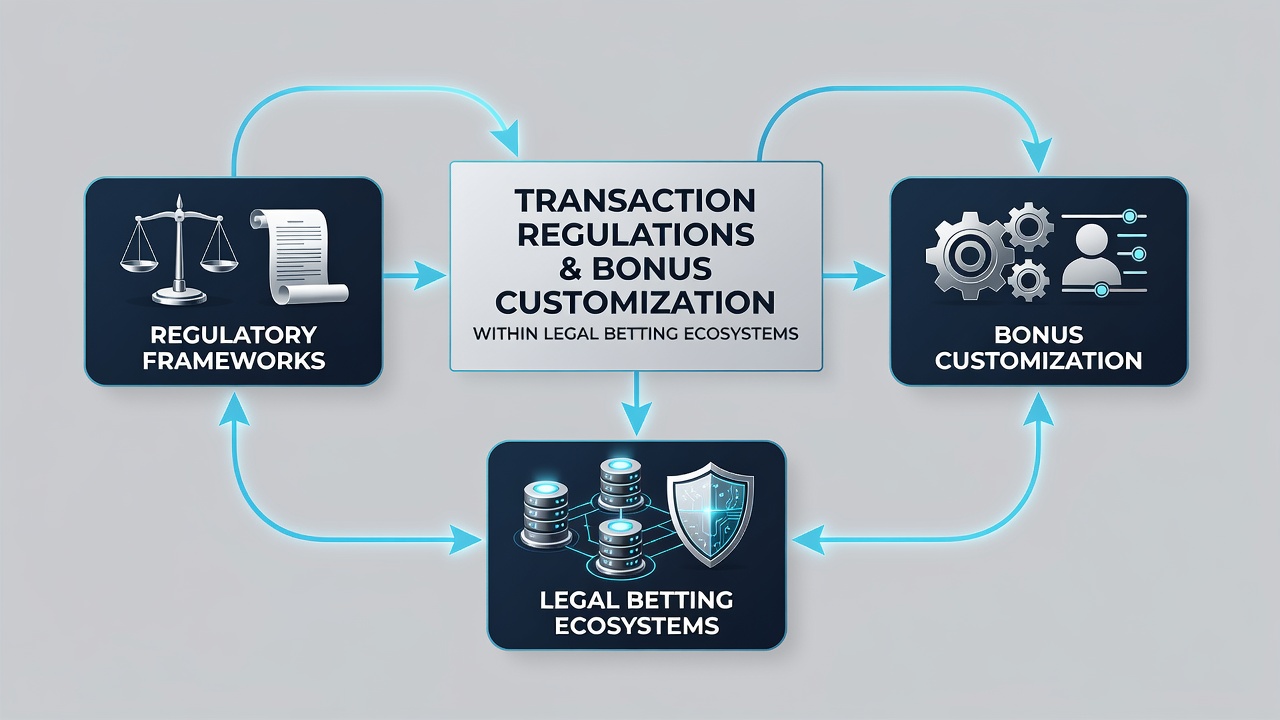
Transaction regulations establish strict parameters around deposits, withdrawals, and payment processing that directly determine how operators customize promotional offers across different jurisdictions, and these frameworks require verification steps including identity checks along with source-of-funds reviews that limit the timing and scale of bonus activations. Observers note that operators must align incentive structures with rules governing acceptable payment methods, which vary by state and country, creating distinct promotional menus for users depending on their location.
Core Mechanisms Linking Payments to Promotions
Financial transaction rules mandate detailed record-keeping for every deposit and withdrawal, and this requirement forces platforms to segment bonus eligibility based on the funding source used by each account holder. Data shows that when certain payment processors face restrictions in a given region, operators respond by offering alternative incentives tied to approved methods, such as bank transfers or specific e-wallets, while excluding others from eligibility. Researchers discovered that these adjustments occur in real time as new compliance updates take effect, ensuring that promotional campaigns remain within legal boundaries.
Take one operator active in multiple states who adjusted its welcome package after a payment rule change limited credit card deposits in October 2026, and the revised offer shifted emphasis toward free bets funded through approved accounts rather than deposit matches. Those who've studied these patterns know the adjustments maintain user engagement without violating transaction oversight statutes.
Regional Variations in Compliance Requirements
Different jurisdictions impose unique thresholds for transaction reporting and bonus fund segregation, which means a single operator must maintain separate promotional frameworks for each market it serves. According to figures from the Canadian Gaming Association, provinces with tighter anti-money laundering protocols see more limited bonus rollover conditions because operators must isolate promotional credits from standard account balances to satisfy audit trails. What's interesting is how these separations prevent users from combining certain incentives with restricted payment flows.
One study revealed that Australian regulatory bodies require clear labeling of bonus terms tied to deposit sources, and this transparency rule leads operators to create jurisdiction-specific landing pages that display only the incentives available through compliant channels. The ball's in the operator's court when it comes to updating these displays promptly after any rule modification.
Impact on User Experience and Platform Design
Payment oversight rules govern bonus eligibility on licensed sportsbooks nationwide, which leads developers to build dynamic systems that detect user location and payment history before displaying available promotions. Evidence suggests that these systems reduce the risk of offering ineligible incentives, and they also allow for targeted campaigns that highlight bonuses compatible with local transaction standards. Observers note that users in regions with stricter banking rules often encounter more conservative bonus structures focused on risk-free bets instead of large deposit matches.
Yet platforms continue to experiment with loyalty programs that accumulate points through verified transactions, and this approach satisfies regulatory demands while still providing value. Data indicates that operators who integrate these points systems see higher retention rates in tightly regulated markets because the rewards feel earned rather than gifted.
Industry Responses to Evolving Standards
Industry organizations such as the European Gaming and Betting Association have documented how transaction compliance costs influence the scope of promotional budgets, prompting operators to prioritize higher-value users who meet stricter verification criteria. Canadian Gaming Association reports highlight similar trends where customized bonus tiers emerge based on transaction volume and payment method compliance. But here's the thing: these tiered systems require continuous monitoring to stay aligned with updates from financial authorities.
One case where experts found rapid adaptation involved a multi-state operator that introduced region-specific cashback offers after October 2026 rule clarifications on cryptocurrency transactions, and the new incentives applied only to users who completed enhanced due diligence processes. Such examples demonstrate how regulatory shifts translate into tangible changes in available promotions.
Conclusion
Transaction regulations continue to define the boundaries within which legal betting operators customize bonuses, and this relationship ensures that promotional offers remain consistent with financial oversight requirements across all active jurisdictions. Platforms that successfully navigate these constraints deliver incentives that respect both user expectations and statutory obligations, while ongoing updates to payment rules will likely prompt further refinements in how bonuses are structured and presented.